
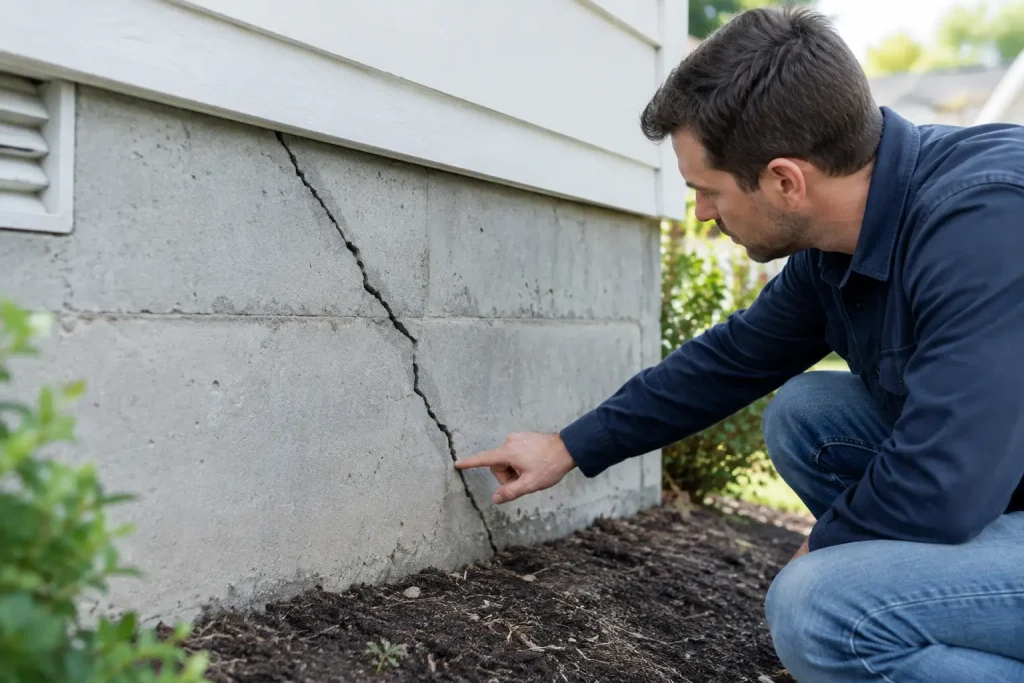
A hairline crack in a basement wall can be easy to ignore, especially when the space is dry and the crack has been there since you moved in. But can foundation cracks worsen? Yes, they can. Whether they do depends on what caused the crack, whether water is involved, and whether the soil around your New Jersey home is continuing to move.
The goal is not to assume every crack means a major structural problem. Many foundation cracks are manageable when addressed early. The key is knowing what changes deserve attention before a minor repair becomes a recurring water issue or a more involved foundation repair.
Why foundation cracks can get worse
Concrete is strong under compression, but it can crack when it is pulled, shifted, or exposed to uneven pressure. Some cracking occurs as concrete cures and settles. Other cracks develop years later because the ground around the foundation expands, contracts, or no longer directs water away from the house.
In New Jersey, changing seasons can make those conditions more noticeable. Heavy rain saturates soil and increases pressure against basement walls. Freezing temperatures can cause wet soil to expand. Dry periods can cause certain soils to shrink. Each cycle can place stress on a foundation, particularly where drainage is poor.
A crack is more likely to worsen when the underlying cause remains active. For example, sealing a wall crack from the inside may stop a small amount of water temporarily, but it will not correct exterior grading that sends roof runoff toward the foundation. If hydrostatic pressure continues to build outside the wall, the crack may reopen, lengthen, or allow water to enter elsewhere.
Not all cracks carry the same level of concern
The direction, size, location, and behavior of a crack all provide useful clues. A thin vertical crack in a poured concrete wall may result from normal shrinkage or minor settlement. It still deserves monitoring, especially if it leaks, but it is not automatically a sign that the wall is failing.
Horizontal cracks, long diagonal cracks, or cracks accompanied by inward bowing deserve a closer look. These patterns can indicate pressure from saturated soil or movement that is affecting the wall itself. In block foundation walls, stair-step cracks along the mortar joints may also point to settlement or lateral pressure.
Cracks in a basement floor are common and often less serious than wall cracks. However, a floor crack that becomes wider, develops a height difference from one side to the other, or lets in water may indicate movement beneath the slab. The same is true for a gap where the basement wall meets the floor. Water entering at that joint is often a drainage-pressure issue, not simply a surface sealing issue.
Signs a foundation crack is actively changing
Homeowners do not need to diagnose the foundation on their own. Still, paying attention to visible changes can help you act at the right time. Take a dated photo of the crack with a ruler nearby and compare it periodically, particularly after prolonged rain or seasonal temperature changes.
Watch for a crack that becomes wider or longer, branches into new cracks, or begins to show dampness, staining, or white mineral deposits. Peeling paint, a musty odor, mold growth, and wet carpeting or stored items can all be signs that moisture is entering through or around the foundation.
Changes upstairs matter, too. Doors or windows that suddenly stick, gaps around trim, new drywall cracks, or sloping floors can indicate settlement or shifting. These symptoms do not always mean the foundation is the source, but they are worth mentioning during a professional inspection.
If a wall is bowing, tilting, or showing a pronounced horizontal crack, do not wait to see whether it improves on its own. A wall under significant pressure can continue moving until the repair becomes more complex. Early evaluation gives you more options and helps protect the rest of the home.
Water management is often the real issue
Foundation cracks and basement water problems are closely connected. Water in the soil around your home adds weight and pressure against below-grade walls. When that water has nowhere to go, it looks for the easiest path into the basement, including small cracks, pipe penetrations, and the joint between the wall and floor.
Start by looking at the basic conditions outside. Gutters should be clear, downspouts should carry water well away from the foundation, and the ground should slope away from the house. A low area beside the foundation, a damaged downspout extension, or runoff from a neighboring property can repeatedly saturate the same section of soil.
Those exterior improvements are often helpful, but they are not always enough. If groundwater rises around the foundation or water regularly collects beneath the basement slab, an interior drainage system and sump pump may be the more dependable solution. A properly designed French drain system relieves water pressure by collecting it before it reaches the living space and directing it to the sump basin.
This is why a good inspection should look beyond the crack itself. The right repair may involve crack sealing, drainage improvements, wall stabilization, or a combination of solutions. Treating only the visible symptom can leave the actual water or soil problem in place.
When to schedule a professional inspection
A dry, unchanged hairline crack can usually be monitored for a period of time. It is still wise to document it and keep water away from the foundation. However, an inspection is a practical next step when a crack leaks, grows, returns after being repaired, or appears alongside bowing, shifting, or moisture damage.
You should also schedule an evaluation if you are preparing to finish a basement, purchase a home, or sell one. A basement renovation can hide warning signs behind framing and drywall, making future repairs more disruptive. Buyers and sellers benefit from clear information about whether a crack is cosmetic, water-related, or structural.
At A-1 Basement Solutions, the focus is on identifying the source of the problem and explaining the available options clearly. No Problems, Just Solutions means homeowners should understand what is happening, what a recommended repair is designed to accomplish, and what can reasonably wait. A no-pressure evaluation is especially valuable when cracks and water symptoms overlap.
Can foundation cracks worsen if they are repaired?
They can, if the repair does not address the reason the crack formed. A crack injection can be an effective repair for certain nonstructural cracks that leak through a poured concrete wall. But if the wall is still exposed to ongoing pressure from poor drainage or expansive wet soil, another crack may develop nearby or the original area may continue to move.
Likewise, wall reinforcement can help stabilize a wall, but water management remains essential. Reducing the pressure outside the foundation helps protect the repair and creates a drier, healthier basement. The best approach depends on the wall condition, the source of moisture, access around the home, and how the homeowner plans to use the space.
That is also why warranties matter. A lasting repair should be supported by workmanship that is clearly explained, completed by trained in-house crews, and backed by real accountability. Homeowners should never feel pushed toward a one-size-fits-all solution when the conditions call for a more targeted plan.
What to do while you monitor a crack
Keep the area accessible and avoid covering the crack with shelving, finished walls, or stored boxes. Record when you first noticed it and whether water appears after rain, snowmelt, or sump pump activity. If you see moisture, move belongings away from the wall and address any wet materials quickly to reduce the chance of mold growth.
Outside, make sure downspouts discharge away from the home and avoid piling mulch or soil high against the siding and foundation. Do not assume caulk, paint, or a quick patch will solve a recurring basement water problem. Those measures may improve appearance, but they cannot relieve water pressure in the soil.
A foundation crack is not always an emergency, and it does not automatically mean your home is unsafe. But changes are worth respecting. A clear assessment now can replace uncertainty with a practical plan and help keep a small concern from becoming a larger one.