
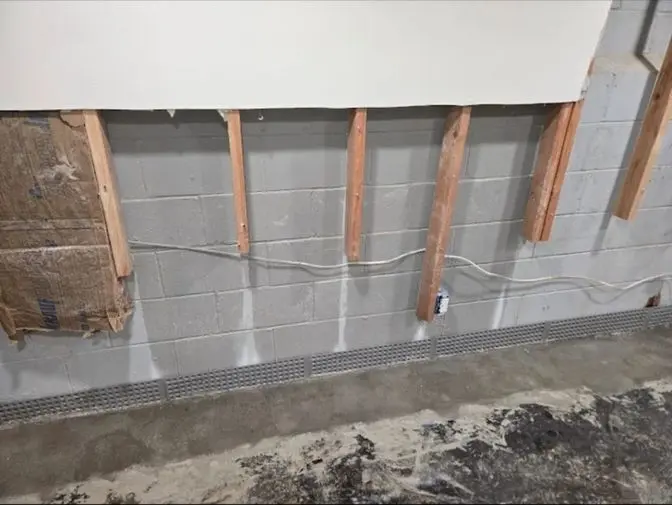
NJ Basement Waterproofing: 5 Signs You Need a French Drain System
For homeowners in New Jersey, a dry basement is more than a luxury—it is a structural necessity. From the heavy seasonal rains in Scotch Plains to the high water tables in Westfield and Cranford, local properties face a constant battle against groundwater. When traditional methods like exterior grading or simple sealants fail, the most effective solution is a professional interior drainage system. Understanding the mechanics of NJ basement waterproofing is essential for protecting your home’s value and your family’s health.
The Battle Against New Jersey’s High Water Table
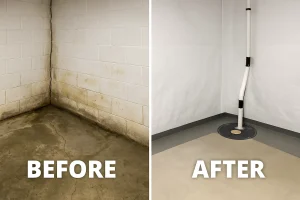
New Jersey is notorious for its varying soil compositions, often consisting of dense clay that retains water long after a storm has passed. This creates a phenomenon known as hydrostatic pressure. As the soil becomes saturated, the water exerts immense pressure against your basement walls and floor. Unlike a roof leak that drips from above, basement flooding often “wicks” through the concrete or erupts through the floor-wall joint. For many residents, NJ basement waterproofing isn’t just about stopping a puddle; it’s about relieving this pressure before it compromises the foundation.
Why Scotch Plains and Westfield Homes Face Unique Challenges
Many homes in the Central NJ area were built on land with naturally high water tables. During heavy transit storms or rapid snowmelt, the ground simply cannot absorb more liquid. This forces the water to find the path of least resistance, which is often the micro-cracks in your basement slab. A French drain acts as a pressure-relief valve, intercepting this water and directing it safely away.
5 Warning Signs You Need a French Drain Installation
If you aren’t sure whether your home requires professional intervention, look for these five critical indicators that your current setup is inadequate.
1. Water Seepage at the “Cove” Joint
The most common sign that you need a French drain is water appearing where the basement wall meets the floor. This area, known as the “cove,” is a natural seam in the concrete. When hydrostatic pressure builds up outside, water is forced through this joint. If you see trickles or dampness along the perimeter of your basement floor, your home is a prime candidate for NJ basement waterproofing.
2. Persistent Efflorescence on Walls

Have you noticed a white, powdery, or crusty substance on your basement walls? This is called efflorescence. It occurs when water evaporates and leaves behind mineral deposits. While the powder itself isn’t dangerous, it is a “smoking gun” for moisture penetration. It proves that water is moving through your foundation walls, even if you don’t see a standing puddle.
3. Recurrent Musty Odors and High Humidity
If your basement smells like an old gym locker, you have a moisture problem. High humidity levels (typically above 60%) allow mold and mildew to thrive. Even if the walls look dry, moisture could be trapped behind finished basement walls or rising through the porous concrete floor. A professional drainage system regulates this environment by removing the liquid source of the humidity.
4. Sump Pump Overload
If your sump pump runs constantly even during light rain, or if it struggles to keep up with the inflow, your drainage system is likely inefficient. A French drain works in tandem with your sump pump to ensure water is collected and evacuated quickly, preventing the pump from burning out or overflowing during a New Jersey “Nor’easter.”
5. Floor Cracks with Upward Seepage
Cracks in the center of your basement floor that “weep” water indicate that the water table has risen directly beneath your home. This is the most urgent sign of hydrostatic pressure. An interior French drain involves creating a trench beneath the floor to capture this rising water before it ever reaches your living space.
The A-1 Solution: Why Interior Drainage is the Gold Standard
At A-1 Basement Solutions, we specialize in sub-floor pressure relief systems. Unlike exterior drains that require massive excavation and can eventually clog with soil and roots, an interior French drain is protected by your home’s foundation. It remains clean, accessible, and incredibly effective at managing NJ basement waterproofing needs for the lifetime of the structure.
Integrating Sump Pumps for Maximum Protection
A French drain is only as good as its discharge point. We install high-capacity, industrial-grade sump pumps equipped with battery backups. This ensures that even if a summer storm knocks out the power in Union County, your basement remains bone-dry.
FAQ: Navigating Basement Waterproofing in NJ
How long does a French drain installation take?
Most residential projects in North and Central NJ are completed within 2 to 4 days. The process includes removing a small portion of the floor perimeter, installing the drainage pipe and stone, and re-concreting the area to a smooth finish.
Will waterproofing increase my NJ home’s value?
Absolutely. In the competitive New Jersey real estate market, a wet basement can decrease home value by up to 20%. A certified, warranted waterproofing system provides “peace of mind” for buyers and protects your equity.
Do you offer a warranty on waterproofing systems?
Yes. A-1 Basement Solutions provides a lifetime transferable warranty on our full sub-floor drainage systems. This stays with the house, even if you sell it, providing long-term value.
Don’t wait for the next heavy rain to discover your basement’s weaknesses. By identifying these signs early, you can save thousands in structural repairs and mold remediation costs. Protect your home’s foundation and your family’s health. Schedule your free, no-obligation basement inspection with A-1 Basement Solutions today and get the permanent protection you deserve.