
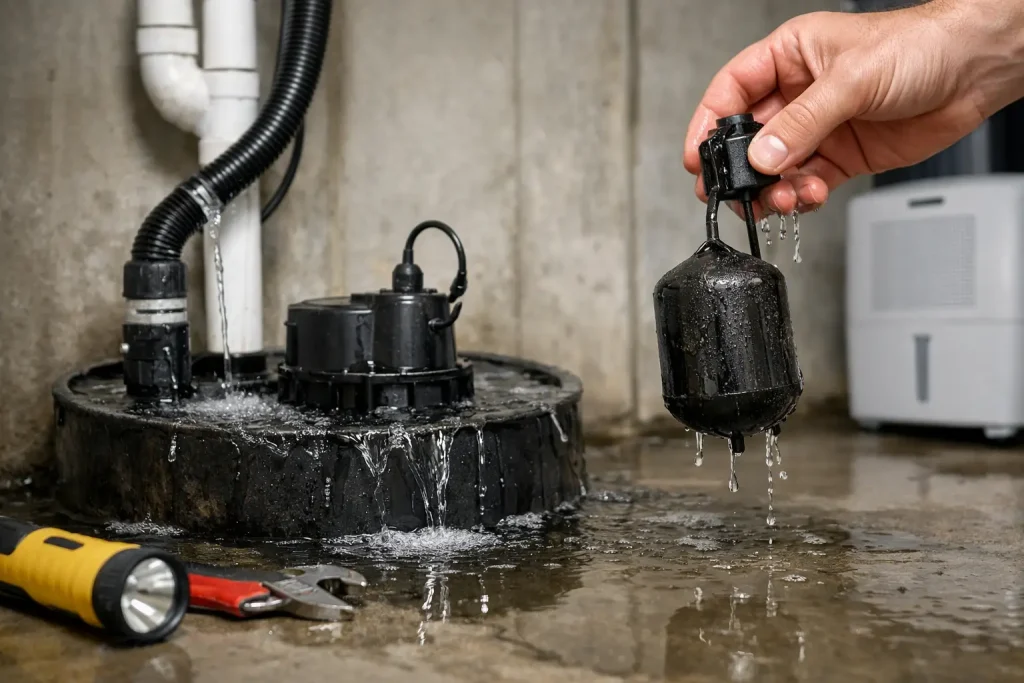
A sump pump usually gets noticed at the worst possible moment: after hours of hard rain, when water is already moving toward the basement. Most sump pump failures are preventable, but only if the system is maintained, tested, and sized for the conditions around your home. For New Jersey homeowners, that matters because a single failed pump can turn an ordinary storm into damaged flooring, wet storage, mold growth, and a stressful cleanup.
A sump pump is not a complete waterproofing system by itself. It is one part of a larger drainage plan that may include interior drains, a properly installed sump basin, discharge piping, grading, and gutters that direct roof water away from the foundation. When one part is overlooked, the pump may be forced to work harder than it should – or may not be able to keep up at all.
What Causes Sump Pump Failures?
The cause is not always a broken motor. Sometimes the pump is working exactly as designed, but it has been installed in a system that cannot handle the amount of water entering the basement. A careful inspection helps separate a simple maintenance issue from a drainage or waterproofing problem that needs a more complete solution.
Power outages during heavy rain
Many sump pumps run on household electricity. Unfortunately, severe storms can bring down power at the same time groundwater levels rise. Without a battery backup system or a properly maintained secondary pump, the primary pump cannot remove water when it is needed most.
A backup system is especially valuable for homes with a history of water intrusion, finished basements, or utility equipment stored below grade. The right backup depends on the home, the expected water volume, and how long outages typically last in the area. A battery that is too small or has not been tested can provide false confidence.
A stuck float switch
The float switch tells the pump when to turn on and off. If it becomes tangled, blocked by debris, or trapped against the basin wall, the pump may not start as water rises. In other cases, the switch can remain in the on position, causing the pump to run continuously and shortening its service life.
This is one reason a quick test matters. Pour water slowly into the pit and watch whether the float rises freely, starts the pump, and shuts it off after the water level drops. Do not assume the pump is ready simply because it hummed the last time you looked at it.
Clogged or frozen discharge lines
Water pumped from the basin has to go somewhere. The discharge line should carry it far enough from the foundation that it will not drain back toward the home. If that line is clogged with sediment, blocked at the outlet, crushed, or frozen during winter, water can back up and overwhelm the system.
A discharge pipe that ends too close to the house creates a frustrating cycle: the pump moves water out, the soil near the foundation absorbs it, and that same water eventually returns to the drainage system. Extending the outlet and managing surface drainage can reduce unnecessary strain on the pump.
An undersized pump or basin
A pump that handles normal groundwater may not be equipped for a major storm, a high water table, or a home with active footing drains. The basin size also matters. If it is too small, the pump may cycle on and off repeatedly, which increases wear and leaves little room for sudden inflow.
Bigger is not automatically better. An oversized pump paired with poor drainage design can mask the real issue while creating rapid cycling. The goal is a system sized for the home’s water conditions, with dependable controls and a basin that allows the pump to operate properly.
Lack of routine maintenance
Sediment collects in sump pits. Check valves wear out. Pump intakes can become clogged, and electrical connections can loosen. These are ordinary maintenance concerns, but they become expensive when ignored until a storm exposes them.
A pump also has a finite service life. The exact timeline depends on usage, water quality, installation quality, and whether the system has been maintained. A pump that has run through years of heavy rain deserves more attention than one in a dry, rarely used basin.
Warning Signs Your Sump Pump Needs Attention
A basement does not have to flood before a sump pump shows trouble. Listen for unusual noises such as grinding, rattling, or constant humming. Watch for a pump that runs continuously, cycles every few minutes when it has not rained, or does not start when water enters the basin.
Other warning signs include standing water in the sump pit, a musty basement odor, water near the foundation wall, or a discharge outlet that is not releasing water while the pump is running. A tripped breaker or an outlet that does not supply power also deserves immediate attention. Resetting a breaker without identifying why it tripped is not a lasting repair.
If the pump runs but the water level does not fall, shut the system off if it is safe to do so and have the discharge line and pump inspected. Continuing to run a pump against a blockage can damage the equipment.
How to Prevent a Sump Pump Failure
Homeowners can handle a few basic checks, but prevention works best when you look at the whole path water takes around and beneath the home. Start with a seasonal test, ideally before spring rain and again before the wet fall season. Make sure the pump is plugged directly into a properly working outlet, then add water to the basin until the float activates.
As you test it, confirm that water leaves through the discharge line and moves away from the foundation. Clear visible debris from the pit, but avoid reaching into the basin or handling electrical equipment while standing in water. If anything looks damaged or the pump behaves unpredictably, stop and schedule a professional evaluation.
Keep gutters clean and downspouts directed away from the house. Check the grade around the foundation so soil slopes away rather than trapping roof runoff near basement walls. These steps will not replace an interior drainage system where one is needed, but they can reduce the volume of water the sump pump must handle.
For homes that rely on a sump pump, a battery backup is worth serious consideration. It provides protection when the primary pump loses power, fails mechanically, or cannot keep pace with incoming water. Some systems also include an alarm that alerts you when the water level rises too high. An alarm does not solve the problem, but it gives you time to act before water reaches the basement floor.
When the Pump Is Not the Only Problem
Replacing a failed pump may be the right answer when the old unit is simply worn out. But if your basement has recurring water, damp wall seams, visible foundation cracks, or a pump that runs constantly, replacing the equipment alone may not address the source of the water.
Interior French drains can collect groundwater before it reaches the floor. A properly designed sump system can then discharge that water safely away from the house. In some cases, exterior drainage corrections, foundation repair, or crawl space protection may also be part of the solution. The right approach depends on where the water is entering and how the property manages rainfall and groundwater.
That is why a no-pressure inspection is more useful than guessing from the hardware store shelf. A qualified specialist should explain what is happening, show you the condition of the system, and distinguish between necessary work and optional improvements. A-1 Basement Solutions takes that solutions-first approach, using in-house crews to help New Jersey homeowners address the causes of basement moisture, not just the symptoms.
A sump pump should be quiet reassurance, not a device you worry about every time rain is in the forecast. Test it before the next storm, pay attention to early warning signs, and address recurring water issues before they become a basement emergency.