
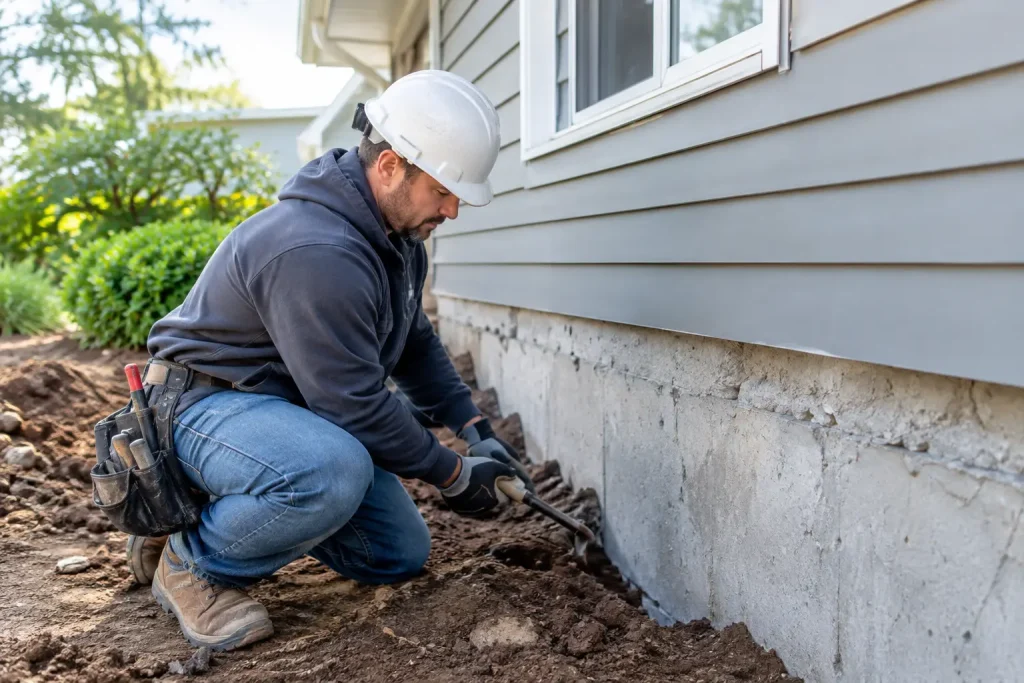
A new crack in the basement wall, a sticking door, or a floor that no longer feels level can make a homeowner want answers fast. One of the first questions we hear is, “how long does foundation repair take?” The honest answer is that the hands-on work may take as little as one day, while the full process from inspection to completed repair can take several weeks. The right timeline depends on the cause of the problem, the repair method, site access, permits, and whether water management issues need to be corrected at the same time.
A trustworthy contractor should be clear about both timelines: how long your crew will be working at the home and how long it will take to plan, permit, schedule, and complete the project properly. Fast work is valuable, but rushing a structural repair without addressing the source of movement or moisture can create a recurring problem.
How Long Does Foundation Repair Take From Start to Finish?
For many New Jersey homes, the full foundation repair process takes about two to eight weeks from the initial inspection to project completion. That range includes diagnosis, developing a repair plan, engineering when needed, municipal permits, scheduling, and the repair itself. Some straightforward repairs move much faster. More involved projects can take longer, particularly when excavation, structural stabilization, or multiple trades are involved.
The actual on-site repair is usually much shorter than the overall project timeline. A minor nonstructural crack repair may be completed in a few hours. A crew installing piers or excavating along a foundation wall may need several days. If the repair requires concrete to cure before the next phase begins, the project may include planned waiting time.
The key is not choosing the shortest possible timeline. It is choosing a repair plan that fits the condition of your home and gives the repair a real chance to last.
Typical Foundation Repair Timelines by Repair Type
Crack injection and localized crack repair
A single basement wall crack can often be repaired in one day. Epoxy or polyurethane injection is commonly used when a crack needs to be sealed against water intrusion, depending on whether the crack is dry, actively leaking, or subject to movement.
The application itself may take only a few hours, but the material needs time to cure. Homeowners can generally use the area soon afterward, although the contractor may recommend keeping the repair undisturbed for a specified period. A crack repair is not automatically a foundation stabilization project. If the crack is widening, offset, or connected to ongoing settlement, the underlying structural issue should be evaluated before simply sealing it.
Carbon fiber reinforcement
Carbon fiber straps or reinforcement systems are often installed when a foundation wall is bowing or showing signs of inward pressure but does not require a full rebuild. Most installations take one to two days, depending on the number of straps, wall preparation, and whether the basement needs to be cleared first.
This type of work is less disruptive than exterior excavation, but it still requires careful surface preparation. Paint, efflorescence, loose mortar, and moisture conditions can affect how the reinforcement system is installed. A clean, properly prepared wall matters as much as the material itself.
Helical piers and settlement stabilization
When a foundation is settling, helical piers may be used to transfer the home’s load to more stable soil. Many pier projects take one to three days of on-site work for a typical residential area, although larger homes and difficult access can extend that schedule.
The planning stage can take longer than the installation. A contractor may need to document settlement, coordinate an engineer’s recommendations, locate utilities, and obtain permits. Once the work begins, crews need room for equipment and safe access to the affected foundation areas. In some cases, lifting the structure is part of the work. That process is done gradually and carefully, not rushed for the sake of speed.
Exterior excavation and foundation wall repair
If the outside of the foundation must be excavated to repair a wall, waterproof it, or correct drainage conditions, expect two to five days of field work in many cases. The exact timing depends on the length and depth of excavation, soil conditions, landscaping, utility locations, and how easily equipment can reach the home.
Excavation is often paired with waterproofing or drainage improvements because water pressure against foundation walls can contribute to long-term deterioration. Combining related work can add time to the project, but it can also prevent the homeowner from paying to reopen the same area later.
Foundation rebuilding or major structural work
Severely damaged, crumbling, or displaced foundation walls can require partial rebuilding. These projects may take one to three weeks of active work, sometimes longer if engineering, inspections, extensive excavation, or concrete curing are involved.
A major repair can temporarily affect access to part of the home or yard. A professional crew should explain what areas need to be cleared, where equipment will be placed, how the work area will be protected, and what the cleanup plan looks like before work begins.
What Can Change Your Foundation Repair Timeline?
Every house sits on a different combination of soil, drainage conditions, construction materials, and past repairs. That is why an on-site inspection matters. A visible crack does not always tell the full story.
Permits are one common source of scheduling variation in New Jersey. Some municipalities require permits, engineering documents, or inspections for structural repairs. Permit review may take a few days or several weeks, depending on the town and the scope of work. A reliable contractor should not treat permitting as an afterthought or ask a homeowner to guess what is required.
Weather can also affect exterior work. Heavy rain can make excavation unsafe or leave soil too unstable to work around properly. Freezing conditions may limit concrete work or affect the timing of restoration. Indoor repairs are less weather-dependent, but water entering the basement during storms may need to be controlled before certain repairs can proceed.
Access matters more than many homeowners expect. Tight side yards, decks, patios, mature landscaping, finished basements, and utility lines can all change the equipment and labor needed. Limited access does not mean the project cannot be completed. It means the crew may need a different approach, and that approach should be accounted for in the schedule and estimate.
Finally, the cause of the damage can affect the scope. If foundation movement is connected to poor drainage, clogged gutters, grading problems, hydrostatic pressure, or a failing sump pump, correcting those conditions may be part of protecting the repair. A shorter repair that ignores water management can be the more expensive choice over time.
How to Prepare Your Home for Foundation Repair
Good preparation helps a project start on time. Your contractor should provide specific instructions, but homeowners are often asked to move stored items away from basement walls, remove fragile belongings from nearby shelves, and provide a clear path from the work area to an exterior entrance.
For exterior work, identify irrigation lines, outdoor electrical features, decorative landscaping, or other items the crew should know about. If a project affects a finished basement, ask whether dust containment, floor protection, or temporary removal of wall finishes will be needed. Clear communication before the first day of work prevents surprises once the crew arrives.
It is also reasonable to ask who will perform the work. A-1 Basement Solutions uses in-house W2 crews, which helps keep communication, workmanship, and jobsite standards accountable from inspection through completion.
What to Expect While Repairs Are Underway
Foundation repair can be noisy, especially when drilling, excavating, or installing piers. Most homeowners can remain in the home during many repairs, but there may be short periods when access to a basement area, driveway, or section of the yard is limited.
A professional crew should keep the worksite orderly, explain daily progress, and let you know if conditions uncovered during the job change the plan. Unexpected conditions do happen in older homes, particularly after soil is opened up or finished walls are removed. The right response is not pressure or guesswork. It is a clear explanation of what was found, what options are available, and how each option affects the cost and schedule.
When the project is complete, ask what follow-up is recommended. That may include monitoring cracks, maintaining gutters and downspouts, testing a sump pump, or watching for changes in drainage around the foundation.
A foundation concern is stressful because it involves the part of your home you cannot easily see or replace. Take the time to get a thorough assessment, understand the repair timeline, and choose a solution that addresses the reason the problem developed. No problems, just solutions – and no rushed decisions when your home’s structure is involved.