
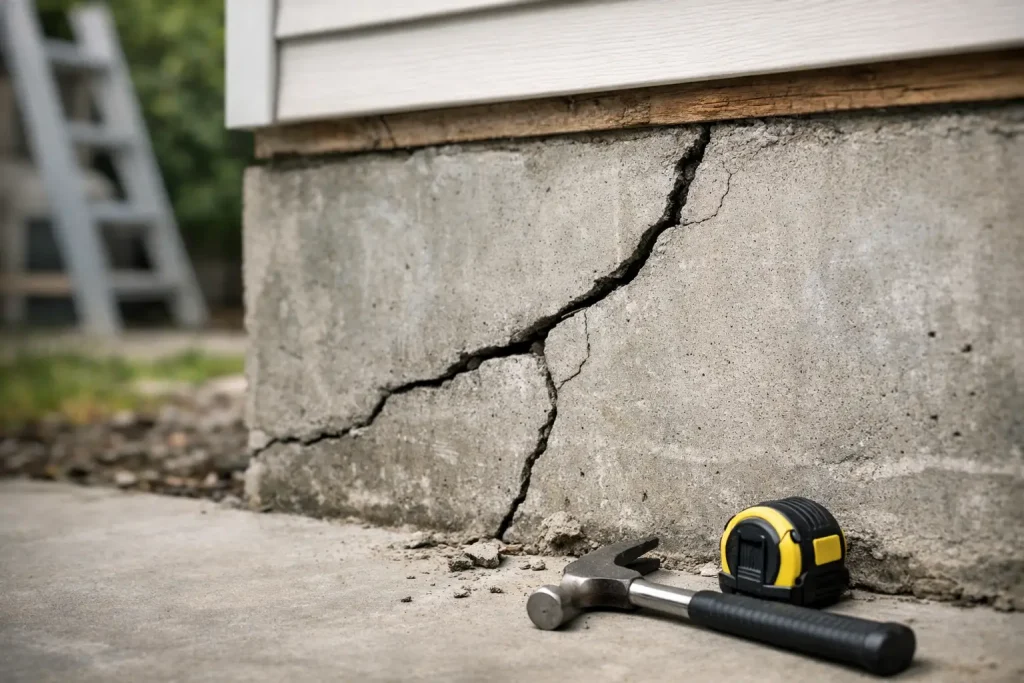
A crack in a basement wall can be easy to overlook until the next heavy rain leaves a damp streak, a puddle near the wall, or a musty smell behind stored boxes. Understanding what causes cracks in foundation walls helps New Jersey homeowners respond with the right solution instead of guessing, patching the surface, and hoping the problem stays away.
Some foundation cracks are minor signs of normal concrete curing or small amounts of settlement. Others point to ongoing pressure, water management problems, or structural movement that deserves prompt attention. The crack itself matters, but so do its direction, width, location, and whether water is coming through it.
What Causes Cracks in Foundation Walls?
Foundations sit in soil, not in a fixed, unchanging environment. The soil gets wet and dry, freezes and thaws, settles over time, and can apply substantial pressure to basement walls. Most cracks develop when the foundation or the soil around it moves in a way the wall was not designed to absorb.
Soil settlement and shifting
New homes and older homes alike can experience settlement. Soil that was disturbed during construction may compact gradually under the weight of the house. In some cases, poorly compacted fill, changes in groundwater, or varying soil conditions cause one section of the foundation to settle more than another.
This uneven movement often creates vertical or diagonal cracks. A narrow vertical crack may be relatively common, but it should still be watched for moisture and changes over time. Diagonal cracks, especially those that widen from one end to the other, can signal differential settlement and should be evaluated by a qualified foundation professional.
Water buildup around the foundation
Water is one of the most common contributors to foundation trouble in New Jersey. When roof runoff, poor grading, clogged gutters, or failing exterior drainage direct water toward the home, the soil beside the foundation becomes saturated. Wet soil is heavier, and it presses against basement walls.
That pressure is known as hydrostatic pressure. Over time, it can force water through small cracks, wall joints, and porous concrete. If the pressure becomes significant, it may contribute to horizontal cracking, bowing walls, or inward movement. A wall repair alone may not last if the water pressure causing the problem is still present.
Freeze-thaw cycles
New Jersey winters create another challenge. Water in the soil expands when it freezes and contracts when it thaws. Repeated cycles can shift soil and place added stress on foundation walls, particularly where drainage is already poor.
Freeze-thaw activity can also worsen an existing crack. Water enters a small opening, freezes, expands, and slowly makes the crack wider. This is why a crack that seems minor in one season may become a water entry point later.
Concrete shrinkage and curing
Not every crack means a foundation is failing. Concrete naturally shrinks slightly as it cures, and this can produce fine, hairline cracks. These are often vertical and may remain stable for years.
The trade-off is that even a nonstructural crack can allow moisture into a basement. If a hairline crack leaks during rain, it still needs a water-control solution. A professional inspection can separate a stable curing crack from one connected to settlement, pressure, or movement.
Expanding soil and tree roots
Certain soils swell when they absorb water and shrink as they dry. This seasonal movement can create repeated stress around a foundation. Large trees planted close to the house can also affect soil moisture as roots draw water from the ground. Roots do not usually break through sound concrete walls, but they can contribute to soil movement and may interfere with underground drainage systems.
What the Direction of a Foundation Crack Can Tell You
Crack patterns provide useful clues, although no one should diagnose a foundation from a photo alone. The surrounding conditions matter just as much as the shape of the crack.
Vertical cracks are often associated with normal settlement or concrete shrinkage. They may be straightforward to seal when the wall is otherwise stable. However, a vertical crack that grows, leaks repeatedly, or appears with floor movement deserves a closer look.
Horizontal cracks are more concerning because they can indicate pressure from saturated soil outside the wall. If a basement wall is cracking horizontally, bowing inward, or showing a noticeable ledge, the issue may involve structural stress rather than a simple water leak.
Diagonal cracks can result from uneven settlement. Stair-step cracks in concrete block walls are another common sign of movement. When these cracks are wide, expanding, or paired with sticking doors, sloping floors, or gaps around windows, it is time to schedule a professional evaluation.
Why Surface Patching Is Not Always a Repair
Caulk, hydraulic cement, and store-bought patching products may temporarily cover a visible crack. They do not correct the conditions that caused it. If water pressure, poor drainage, or wall movement continues, the crack can reopen or water can find another path into the basement.
The right repair depends on the cause. A stable crack that leaks may respond well to professional crack repair combined with proper waterproofing. A wall under outside pressure may require structural reinforcement as well as drainage improvements. A settling foundation may need a different approach entirely.
This is why a thorough inspection should look beyond the crack. The evaluation should include the wall condition, moisture signs, grading, downspout discharge, sump pump performance, drainage pathways, and the condition of the soil around the home. No problems, just solutions means addressing the source rather than selling a one-size-fits-all fix.
When to Act Quickly
A foundation crack does not always require an emergency repair, but waiting is rarely the best plan when there are signs of active movement or water intrusion. Arrange an inspection promptly if you notice:
- A horizontal crack, a bowed wall, or a wall that appears to be pushing inward
- Cracks that are widening, lengthening, or returning after a previous patch
- Water, white mineral deposits, peeling paint, mold, or a persistent basement odor near a crack
- Stair-step block cracks, diagonal cracks, or new cracks paired with sticking doors and uneven floors
Water intrusion is not only a basement inconvenience. Repeated moisture can damage finishes and stored belongings, encourage mold growth, and create a less healthy indoor environment. Catching the issue early gives homeowners more options and can help prevent a smaller repair from becoming a larger project.
Drainage Is Often Part of the Answer
For many foundation concerns, controlling water around the home is as valuable as repairing the wall itself. The best approach may include correcting the slope of the ground, extending downspouts away from the foundation, improving exterior drainage, or installing an interior drainage system and sump pump where appropriate.
An interior French drain system manages groundwater that reaches the foundation perimeter and directs it to a sump pump for discharge. It is often a practical option when exterior excavation is not necessary or would be disruptive. Exterior drainage and waterproofing can be effective in the right situation, but the best method depends on access, soil conditions, wall condition, and where the water is entering.
For walls that are moving, structural repairs may be needed before or alongside waterproofing. Reinforcement systems can stabilize a wall, while crack repair can close specific openings. A responsible contractor will explain what each part of the work is intended to solve and will not present cosmetic patching as a structural fix.
A Clear Plan Starts With a Real Inspection
Foundation cracks can be unsettling, but they are not a reason to panic. They are a reason to get clear information. Take note of when the crack appeared, whether it changes after rain or seasonal weather, and whether there are signs of water or wall movement nearby.
A careful inspection from an experienced basement and foundation specialist can identify whether the issue is stable, water-related, or structural and lay out practical options without pressure. The goal is a dry, sound basement and the confidence that the repair addresses what is happening around your home, not just what you can see on the wall.