
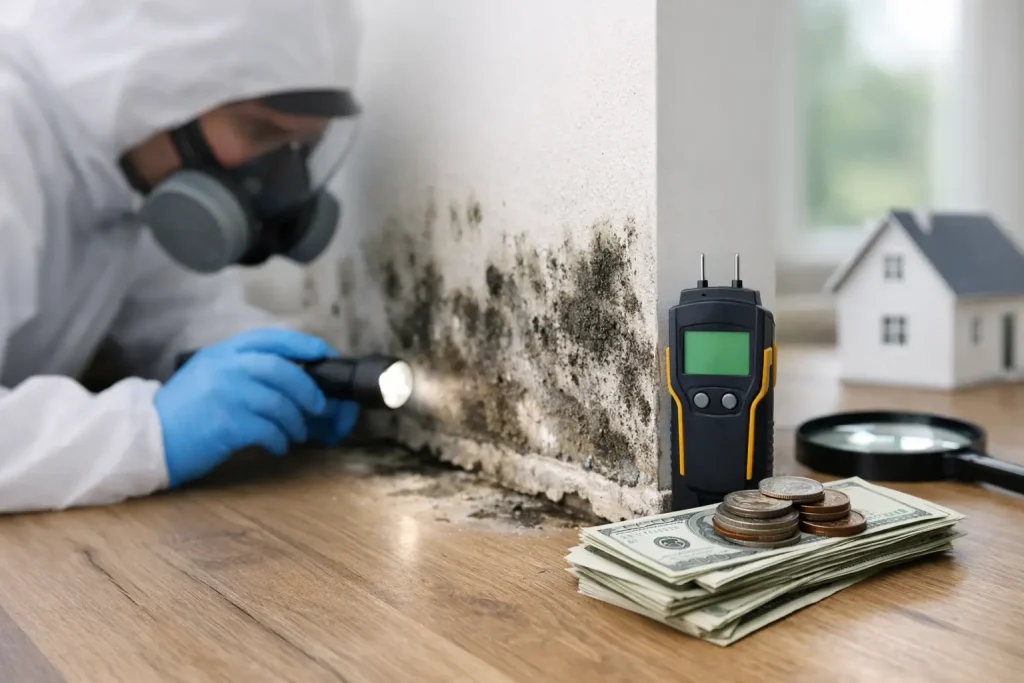
A musty basement after a week of rain is easy to dismiss. But when that smell keeps returning, paint begins to peel, or family members notice worsening allergy symptoms at home, it is time to find out what is happening behind the walls or beneath the flooring. Mold inspection costs are a reasonable first investment when they help identify a moisture problem before it becomes a larger cleanup, health, or structural issue.
For New Jersey homeowners, the price of an inspection depends less on a single flat rate and more on the size of the home, the areas involved, whether testing is needed, and how difficult it is to locate the source of moisture. A good inspection should give you clear answers, not create fear or pressure you into work you do not need.
Typical Mold Inspection Costs in New Jersey
A visual mold inspection for a smaller, accessible area may cost a few hundred dollars. A more detailed inspection of a full home, basement, crawl space, attic, or multiple suspected areas can cost more. If the inspector recommends laboratory testing, those samples are usually an additional charge.
Many homeowners spend roughly $300 to $700 for a professional inspection, although a limited visit may fall below that range and a large or complicated property may exceed it. Testing can add approximately $75 to $200 or more per sample, depending on the type of sample and laboratory analysis requested.
That range is useful for planning, but the lowest quote is not always the best value. An inspection that only confirms visible mold may not explain why it is there. The real purpose is to identify the moisture path that allows mold to grow, whether it is seepage through a foundation wall, a failed sump pump, high crawl space humidity, plumbing leakage, poor exterior drainage, or condensation on cold surfaces.
What Changes the Price of a Mold Inspection?
The cost should reflect the scope of the work. A qualified professional has to investigate the building, not simply look at a discolored spot and offer a quick opinion.
Size and layout of the property
A one-room concern in an open basement takes less time to assess than a multilevel home with finished walls, storage areas, crawl spaces, and attic access. Larger homes often have more potential moisture entry points and more surfaces to evaluate.
Finished basements can also make an inspection more involved. Mold may be hidden behind drywall, carpeting, paneling, or baseboards. An inspector may use moisture meters, thermal imaging, or other diagnostic tools to narrow down where further investigation is warranted.
Whether mold is visible or hidden
Visible growth can make the starting point obvious, but it does not necessarily make the job simple. The inspector still needs to determine whether the affected material can be cleaned, whether it should be removed, and whether moisture has reached adjacent materials.
Hidden mold takes more detective work. A persistent odor, a damp wall, buckling floor material, or a history of water intrusion may point to mold behind finished surfaces. Access limitations and the need for more detailed moisture investigation can increase the cost.
Testing and sample collection
Not every situation requires lab testing. When mold is clearly visible and the moisture source is apparent, testing may not change the recommended next step. Removing the affected material safely and correcting the water problem may be the priority.
Testing can be worthwhile when the source is uncertain, the home has no visible growth but has ongoing symptoms or odors, a buyer wants documentation before closing, or a homeowner needs a clearer picture of conditions in several areas. Surface samples, air samples, and material samples each answer different questions. Ask what the proposed test will tell you and how the result will affect the plan.
The underlying moisture problem
Mold remediation and mold inspection are not the same service. Inspection identifies conditions and scope. Remediation addresses affected materials and cleanup. Neither will deliver a lasting result if the moisture source remains active.
For example, a damp basement corner may be caused by hydrostatic pressure, poor grading, clogged gutters, a failed exterior drain, or a crack in the foundation. A crawl space issue may be tied to ground moisture, missing vapor protection, or humidity. Diagnosing these conditions properly takes experience, but it also prevents homeowners from paying to clean mold that will simply return.
What a Thorough Inspection Should Include
A professional inspection should begin with questions. When did the odor start? Has the basement flooded? Does the issue worsen after heavy rain? Has a plumbing fixture leaked? Have you noticed condensation or elevated humidity? The answers help narrow the investigation quickly.
The onsite evaluation should include a visual review of accessible areas, attention to staining and material damage, moisture readings where appropriate, and an assessment of likely water entry points. In a basement or crawl space, that often means checking foundation walls, floor-wall joints, sump pump operation, drainage conditions, vapor barriers, and signs of long-term dampness.
You should also receive a clear explanation of the findings. A trustworthy contractor will distinguish between what is confirmed, what is suspected, and what needs further testing. They should explain the available solutions in plain language, including when a moisture-control repair should happen before or alongside mold cleanup.
Be cautious if someone offers a remediation estimate without investigating the cause, or uses alarming language before they have completed the inspection. Mold deserves prompt attention, but homeowners should never be rushed into a major project without understanding the problem and the proposed solution.
When Paying for Testing Makes Sense
Testing is often treated as a requirement, but it is a tool, not a one-size-fits-all answer. It is most useful when it provides information you cannot get from a careful visual and moisture inspection alone.
Consider testing if you are preparing to buy or sell a home and need documentation, if there has been significant water damage with no visible mold, if several areas of the home seem affected, or if a healthcare professional has recommended environmental evaluation. It can also help establish a baseline after a complex remediation project.
On the other hand, if there is obvious mold on water-damaged drywall and an active leak directly above it, a test may add cost without changing the immediate recommendation. The damaged material and water source still need to be addressed. An honest professional should tell you when testing is useful and when it is not necessary.
How to Avoid Paying Twice for the Same Problem
The most expensive approach is often cleaning the visible symptom while leaving the water source in place. If basement moisture continues to enter through the foundation, or crawl space humidity remains high, mold can return on new materials after a cleanup.
Ask every inspector a practical question: What is feeding this mold? The answer should lead to a plan that addresses both the affected area and the conditions that allowed growth. Depending on the home, that may involve waterproofing, French drain installation, sump pump repair or replacement, crack repair, crawl space protection, plumbing repairs, or ventilation improvements.
It is also smart to ask what is included in the quoted inspection fee. Find out whether the price includes a written report, moisture readings, photographs, travel, test collection, and a review of lab results. Clear scope prevents surprises and makes it easier to compare estimates fairly.
Choosing a Mold Professional You Can Trust
A good inspection should leave you better informed, even if you decide not to move forward immediately. Look for a company that explains its findings without exaggeration, provides a clear scope of work, and can speak to the moisture conditions common in New Jersey basements and crawl spaces.
For homeowners dealing with moisture-driven mold concerns, A-1 Basement Solutions focuses on finding the water problem behind the visible damage. Our in-house crews explain practical options clearly, so you can make a decision based on your home’s actual needs, not a high-pressure sales pitch.
If you smell mildew, see recurring staining, or know your basement has taken on water, do not wait for the problem to spread behind finished surfaces. A careful inspection can turn uncertainty into a clear next step and help protect the home you have worked hard to maintain.