
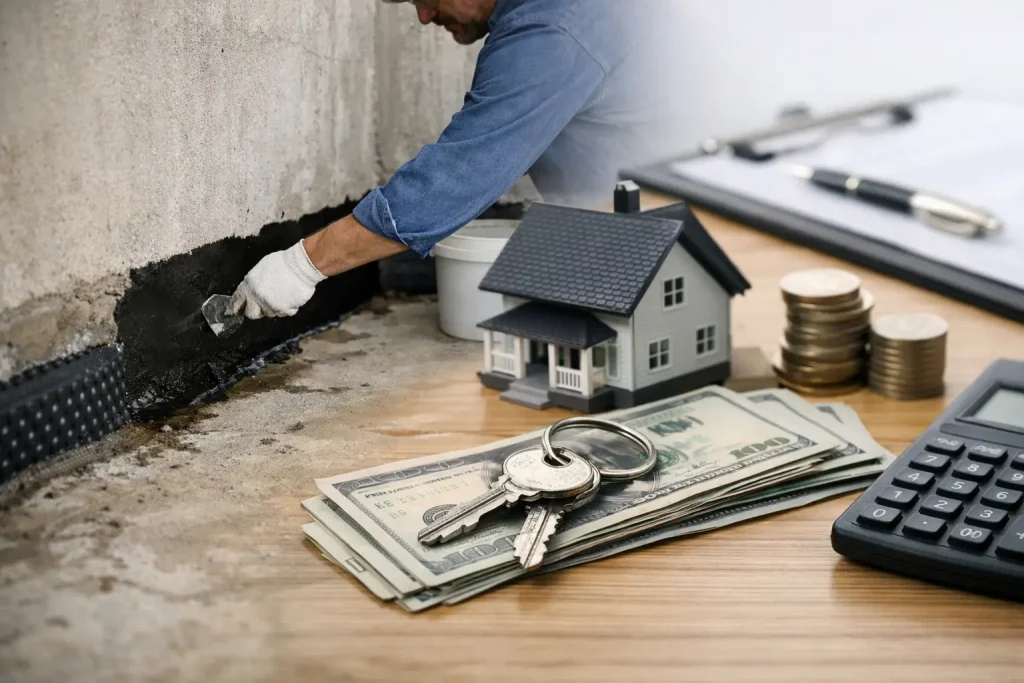
A wet basement rarely waits for a better time financially. It shows up after heavy rain, around a failing sump pump, or in the form of that musty smell you hoped would go away on its own. That is why many homeowners start asking about basement waterproofing financing options before they are fully ready to commit to a project.
If that sounds familiar, you are not alone. Waterproofing work is one of those home expenses that sits in an uncomfortable middle ground. It is not always a dramatic emergency like a burst pipe, but it is also not cosmetic work you can safely postpone forever. Water in a basement can lead to mold, damaged belongings, ruined finishes, and in some cases larger foundation concerns. The right financing plan can make it possible to fix the problem now instead of paying for bigger damage later.
Why basement waterproofing financing options matter
Most homeowners do not budget for a French drain, sump pump system, foundation crack repair, or crawl space moisture control the way they might budget for paint or appliances. Basement and foundation work is often reactive. You discover a problem, get an inspection, and then have to make a decision quickly.
Financing helps bridge that gap. It lets homeowners spread project costs over time while protecting the house now. For many families, that makes practical sense. A manageable monthly payment can be easier to absorb than a large one-time expense, especially when the problem is already affecting usable space, indoor air quality, or resale value.
That said, financing is not automatically the right move in every case. If the issue is minor and you have the cash available, paying upfront may reduce your overall cost. But if delaying the repair means more water intrusion, more cleanup, or a higher chance of structural damage, financing can be the more responsible choice.
Common basement waterproofing financing options
When homeowners compare basement waterproofing financing options, they usually run into a few familiar paths. Each one has strengths, and each comes with trade-offs.
Contractor financing
Many waterproofing companies offer financing through a lending partner. This is often the simplest route because it is tied directly to the project. Once you have an inspection and proposal, you can review payment options that match the scope of work.
The main advantage is convenience. You can coordinate the inspection, project estimate, and financing process in one place. Some plans may include promotional periods, fixed monthly payments, or flexible terms based on credit approval. The downside is that terms vary widely, so it is worth reading the full details instead of focusing only on the monthly number.
Home equity loans or lines of credit
If you have built equity in your home, a home equity loan or home equity line of credit can sometimes offer favorable rates compared with unsecured borrowing. Because waterproofing protects the structure and value of the property, some homeowners see this as a logical fit.
Still, this option is not always the fastest. Approval can take more time, and using your home as collateral is a serious decision. If your basement issue is active and getting worse, speed matters.
Personal loans
A personal loan can be useful for homeowners who want funding without tying the loan directly to home equity. This can be a good fit for mid-sized projects or situations where you need to act quickly.
The trade-off is that interest rates may be higher than secured financing, especially depending on credit profile. It is a workable option, but you want to compare the total repayment amount, not just the speed of approval.
Credit cards
Some homeowners use a credit card for smaller waterproofing or drainage-related repairs, particularly if there is a short-term promotional rate. This can work when the balance is modest and there is a clear plan to pay it off quickly.
For larger waterproofing jobs, though, credit cards are usually the riskiest option. High standard rates can turn a necessary repair into a much more expensive obligation if the balance lingers.
How to judge financing without getting pressured
Homeowners often feel most vulnerable at the point of sale. You know there is a problem, you want it fixed, and you do not want to make a bad financial decision under stress. A good contractor should make that process clearer, not harder.
Start by separating two questions: what work the house actually needs, and how you plan to pay for it. Those decisions are connected, but they should not be blurred together. If someone jumps straight to payment before clearly explaining the cause of the water issue, that is a red flag.
A reliable estimate should explain the recommended solution in plain language. If interior drainage, a sump pump, exterior grading correction, crack repair, or crawl space protection is being proposed, you should understand why. Financing should support the solution, not distract from whether the solution is appropriate.
It also helps to ask a few direct questions. Is the payment fixed or variable? Is there a promotional period that later expires? Are there prepayment penalties? What is the full project cost compared with the total financed cost over time? Clear answers matter.
What affects the cost of a waterproofing project
There is no universal basement waterproofing price because the work depends on the cause, the severity, and the design of the home. A single crack repair is very different from a full perimeter drainage system with sump pump installation. Foundation settlement or crawl space moisture issues can also change the scope.
In New Jersey, homes vary widely in age, lot grading, drainage conditions, and soil behavior. That is one reason estimates can differ from house to house. A finished basement can add urgency because water damage affects flooring, drywall, furniture, and stored belongings. An unfinished basement may still have a serious moisture problem, but the visible damage can seem less immediate even when the long-term risk is real.
The best way to think about cost is in layers. There is the price of fixing the source of water intrusion. Then there is the price of waiting: cleanup, mold concerns, repeated damage, damaged mechanicals, and the stress of never fully trusting the space. Financing often becomes attractive when homeowners realize that delay has a cost too.
Choosing the right basement waterproofing financing options for your situation
The right financing choice depends on three things: urgency, monthly budget, and confidence in the repair plan.
If water is actively entering the basement, speed may matter more than securing the absolute lowest rate. In that case, contractor financing or a personal loan may make more sense than a slower equity-based option. If the issue is persistent but not currently causing major damage, you may have more time to compare terms carefully.
Monthly budget matters just as much. A lower monthly payment can provide breathing room, but a longer term may increase the total amount paid. For some homeowners that trade-off is worthwhile. For others, a shorter term is better if it keeps interest under control.
Confidence in the contractor matters too. Financing a bad repair is worse than waiting a little longer for the right one. Look for a company that explains the problem clearly, stands behind its work, and uses trained in-house crews rather than passing responsibility around. When a project is tied to the health and stability of your home, workmanship and accountability should carry real weight.
Don’t treat waterproofing like a temporary patch
One of the biggest mistakes homeowners make is financing the cheapest visible fix instead of the right long-term solution. A dehumidifier, fresh paint, or repeated cleanup may make the basement feel better for a while, but those are not substitutes for stopping water intrusion at its source.
That does not mean every project needs the largest possible system. It means the scope should match the actual cause. Good contractors do not use fear to inflate jobs, and they do not downplay real risks just to close quickly. They inspect, explain, and recommend what the house needs.
This is where trust matters. Companies like A-1 Basement Solutions build that trust by focusing on real solutions, clear communication, and long-term protection instead of pressure tactics. For homeowners, that makes financing feel like a tool for solving a problem, not a sales trap.
What to have ready before you apply
If you are exploring financing, a little preparation helps. Have a clear understanding of the work being proposed, your rough budget comfort level, and your preferred payment range. Review your credit picture if possible, and think about whether you want to prioritize low monthly payments or lower total repayment.
It is also smart to keep the bigger goal in view. Basement waterproofing is not only about dryness. It is about protecting the structure, preserving usable space, reducing mold risk, and avoiding the cycle of repeat damage. Financing should support that goal in a way that feels sustainable for your household.
The best payment plan is the one that lets you solve the problem properly, with terms you understand and a contractor you trust. When water is finding its way into your basement, peace of mind has real value – and getting ahead of the damage is often the most cost-effective move you can make.