
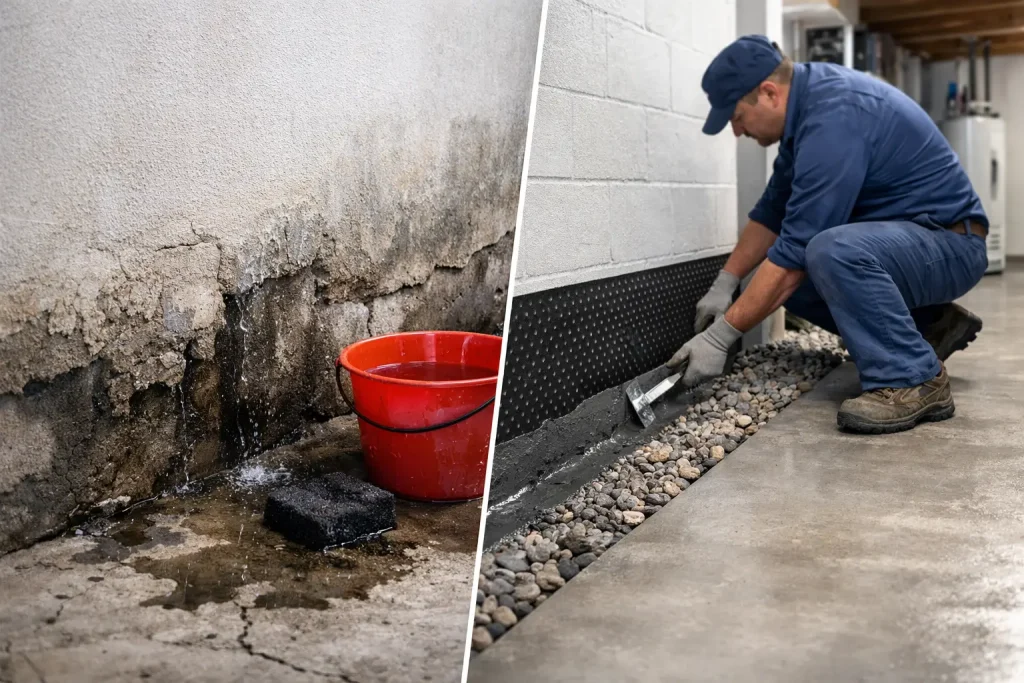
A basement does not have to flood to become expensive. Sometimes the warning signs are smaller – a musty smell that never goes away, damp walls after heavy rain, peeling paint, or boxes that feel slightly wet underneath. If you are asking is waterproofing a basement worth it, the real question is usually whether fixing the problem now costs less than living with it later. In most homes, it does.
That said, not every basement needs the same solution, and not every sales pitch matches the problem. A good answer depends on what water is doing in your home, how often it happens, and whether the fix addresses the real cause.
When is waterproofing a basement worth it?
Waterproofing is usually worth it when moisture is recurring, not random. If your basement gets water during storms, shows signs of seepage along the floor-wall joint, develops moldy odors, or stays humid enough to feel clammy, the issue is already affecting the space. Even if you do not use the basement as finished living area, moisture does not stay politely in one room. It can affect air quality upstairs, damage stored belongings, and gradually wear on the structure.
For many New Jersey homeowners, the bigger value is not just preventing one dramatic flood. It is stopping the cycle of cleanup, worry, and hidden damage. Repainting a wall, running a dehumidifier nonstop, or replacing ruined carpet every few years can feel cheaper in the moment, but those are usually holding actions, not solutions.
Waterproofing becomes even more worthwhile when you plan to stay in the home for years. The longer you own the property, the more value you get from a dry basement, lower risk of damage, and fewer unpleasant surprises.
What basement waterproofing actually protects you from
A wet basement creates more than one kind of problem. The obvious issue is water on the floor, but many homeowners deal with damage before standing water ever appears.
Moisture can feed mold growth, cause wood rot, rust appliances, and damage drywall, flooring, and furniture. It can also leave efflorescence on foundation walls, soften adhesives, and create that familiar damp smell buyers notice right away. If the moisture problem is tied to hydrostatic pressure around the foundation, the issue can also contribute to cracks and long-term structural stress.
That is why proper waterproofing is not just about keeping things dry for comfort. It is part of protecting the home itself.
The cost question homeowners really care about
Most homeowners are not comparing waterproofing to doing nothing forever. They are comparing it to waiting.
Waiting can be costly in quiet ways. A small seepage problem may turn into a larger drainage issue. Seasonal dampness may become mold remediation. A failing sump pump or missing interior drainage system may only show itself when the storm is worst and the timing is worst. By then, the bill often includes both the repair and the damage left behind.
On the other hand, a basement waterproofing system is an upfront investment. That matters, and it is reasonable to weigh the price carefully. The right way to judge value is to compare the cost of the solution with the cost of recurring damage, lost use of the basement, reduced air quality, and buyer concerns if you sell.
If you have active water intrusion, waterproofing is often one of the more practical home repairs because it addresses a root issue. It is not cosmetic. It is preventive work with a clear purpose.
Is waterproofing a basement worth it before you finish it?
Yes – and usually more so.
If you are planning to finish a basement, waterproofing should come before flooring, framing, paint, or furniture. Finishing a basement without controlling moisture is one of the most common and most expensive mistakes homeowners make. New materials can hide water entry for a while, but they rarely solve it. Instead, they give moisture more to damage.
A dry unfinished basement is easier and cheaper to protect than a finished basement that needs demolition after a leak. If the space is going to become a family room, office, gym, or guest area, waterproofing first gives that investment a chance to last.
Cases where the answer is not automatic
There are situations where full waterproofing may not be necessary, or where a simpler fix comes first.
If the basement feels damp only during very humid weather, the issue may partly be condensation rather than outside water intrusion. If one small area gets wet because of a clogged gutter, short downspout, or poor grading, exterior drainage corrections may significantly reduce the problem. Some basements also have old cosmetic signs of moisture with no current activity, which is why inspection matters.
This is where honest diagnosis matters more than pressure. Homeowners should not be sold the biggest system by default. They should be shown what is happening, why it is happening, and which solution matches the condition of the home.
What makes waterproofing worth the money
The value is not just in having work done. It is in having the right work done.
A reliable basement waterproofing approach should account for how water is getting in and where it needs to go instead. That may involve an interior drainage system, a sump pump, vapor barriers, crack repair, exterior drainage improvements, or a combination of these. The details depend on the house.
Workmanship matters just as much. If the installation is sloppy, incomplete, or handled by crews who are not accountable, the homeowner is left with the same worry and a lighter wallet. That is why guarantees, clear communication, and experienced in-house crews matter. A system should come with confidence behind it, not excuses later.
Financial value beyond repairs
Homeowners often ask whether waterproofing adds resale value. The honest answer is that it may not raise the listing price dollar for dollar the way a kitchen remodel sometimes appears to. But it can absolutely protect value and marketability.
A house with a known wet basement raises red flags. Buyers worry about mold, foundation issues, and future expense. They may ask for credits, walk away, or lower their offer. A dry basement backed by a documented professional solution is easier to explain and easier to trust.
Even if you are not selling soon, there is value in being able to use the space without worry. Storage stays safer. Finished areas stay usable. The house feels healthier. Those benefits do not always show up in a spreadsheet, but homeowners feel them every season.
How to tell if your basement should be inspected now
You do not have to wait for a major storm or visible flooding. If you notice musty odors, white chalky residue on walls, damp spots, bubbling paint, rust on metal surfaces, cracks with seepage, or water near the cove joint where the wall meets the floor, it is time to take a closer look.
You should also pay attention if your dehumidifier runs constantly, if stored items feel damp, or if your basement has had even one water event in the past. Water problems tend to repeat themselves because the source conditions around the home do not correct on their own.
The best reason homeowners say yes
For most people, the strongest argument is peace of mind. They are tired of checking the basement every time it rains. Tired of wondering whether a finished room will survive the next storm. Tired of the smell, the cleanup, and the uncertainty.
That peace of mind only comes from a solution that is built to last and explained clearly. At A-1 Basement Solutions, that means no scare tactics and no guessing – just an honest inspection, a practical recommendation, and workmanship designed to protect the home for the long run.
So, is waterproofing a basement worth it? If water or moisture is already showing up, the answer is usually yes. Not because every basement needs the same fix, but because ignoring the problem rarely makes it cheaper, healthier, or easier to live with.
The best next step is simple: find out exactly what your basement is telling you before a minor moisture issue becomes a major repair.